Navassa
Slavery, suing Madeleine Albright, and seabird guano

Recapping for those just tuning in: In 1856, Congress passed the Guano Islands Act. This made it legal to claim on behalf of the U.S. government any islands upon which seabird guano* was found, provided the islands were uninhabited. This odd and expansive piece of legislation occurred in the midst of an international rush on seabird guano, which had become prized in agriculture for its ability to add phosphates and nitrates to the soil. The Guano Islands Act is still law today . . . theoretically. We'll come back to that.
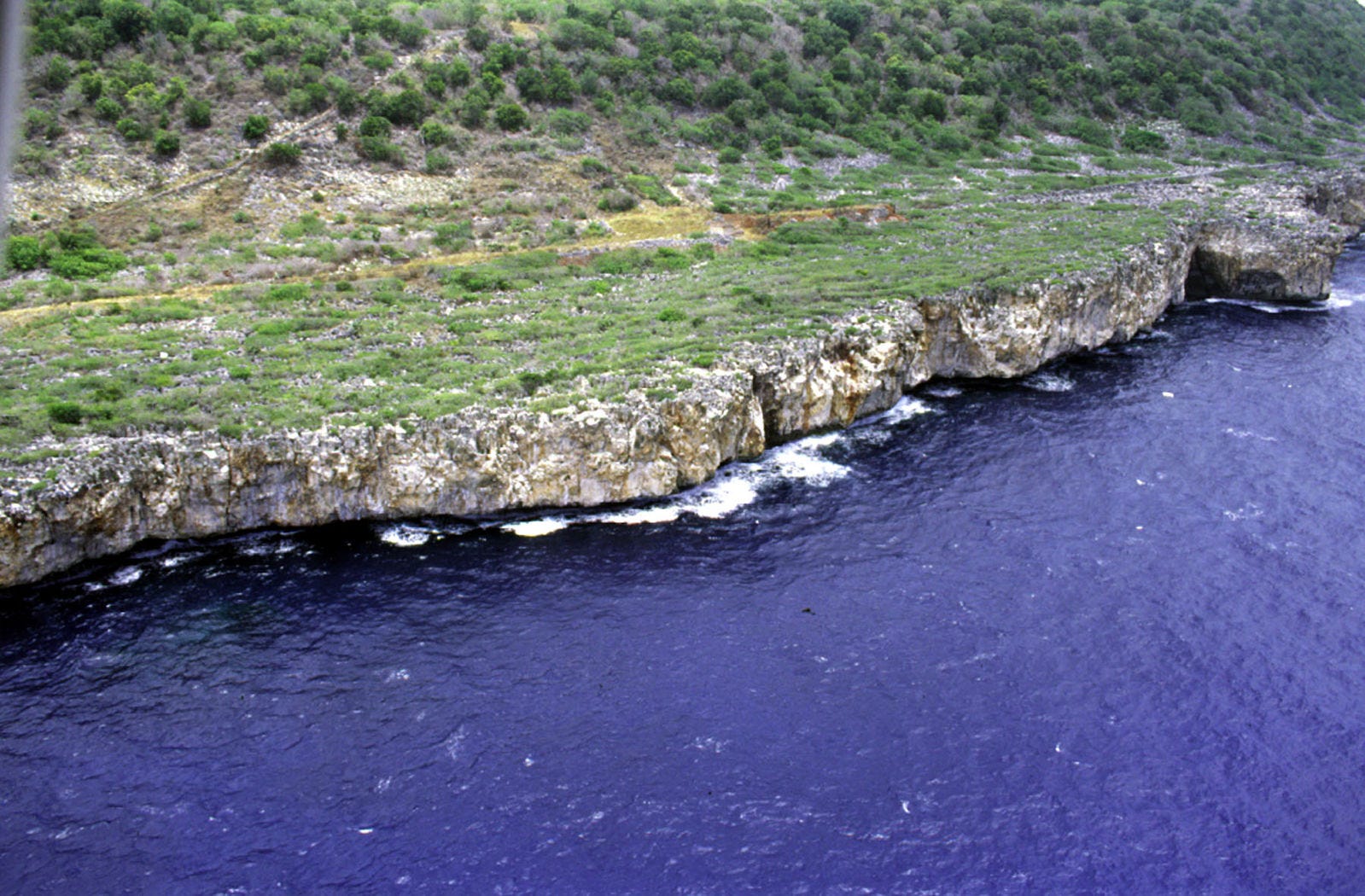
First, though, let's talk about one of the guano islands that lies close to home: Navassa.
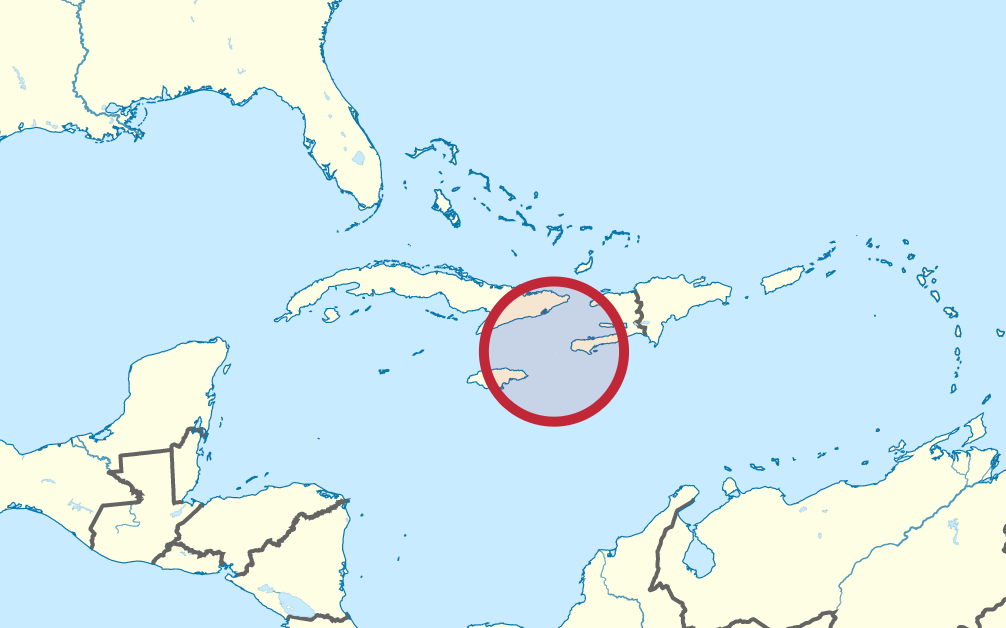
Navassa is a Caribbean island, a small rocky place off the coast of the much larger island that is shared by two nations, the Dominican Republic and Haiti.** In fact, Navassa is claimed by Haiti, and is even mentioned in its constitution. Navassa was also claimed by Haiti at the time that the U.S. decided it could belong to it, a fact that complicates the plain language of the statute. Under the letter of the law, the islands claimed could not belong to any other nation. In practice, given Haiti's continual objections and the United States' silence (including now) in the face of them, the law as interpreted seems to be "it's ours if we say that it's ours and can enforce that it's ours."
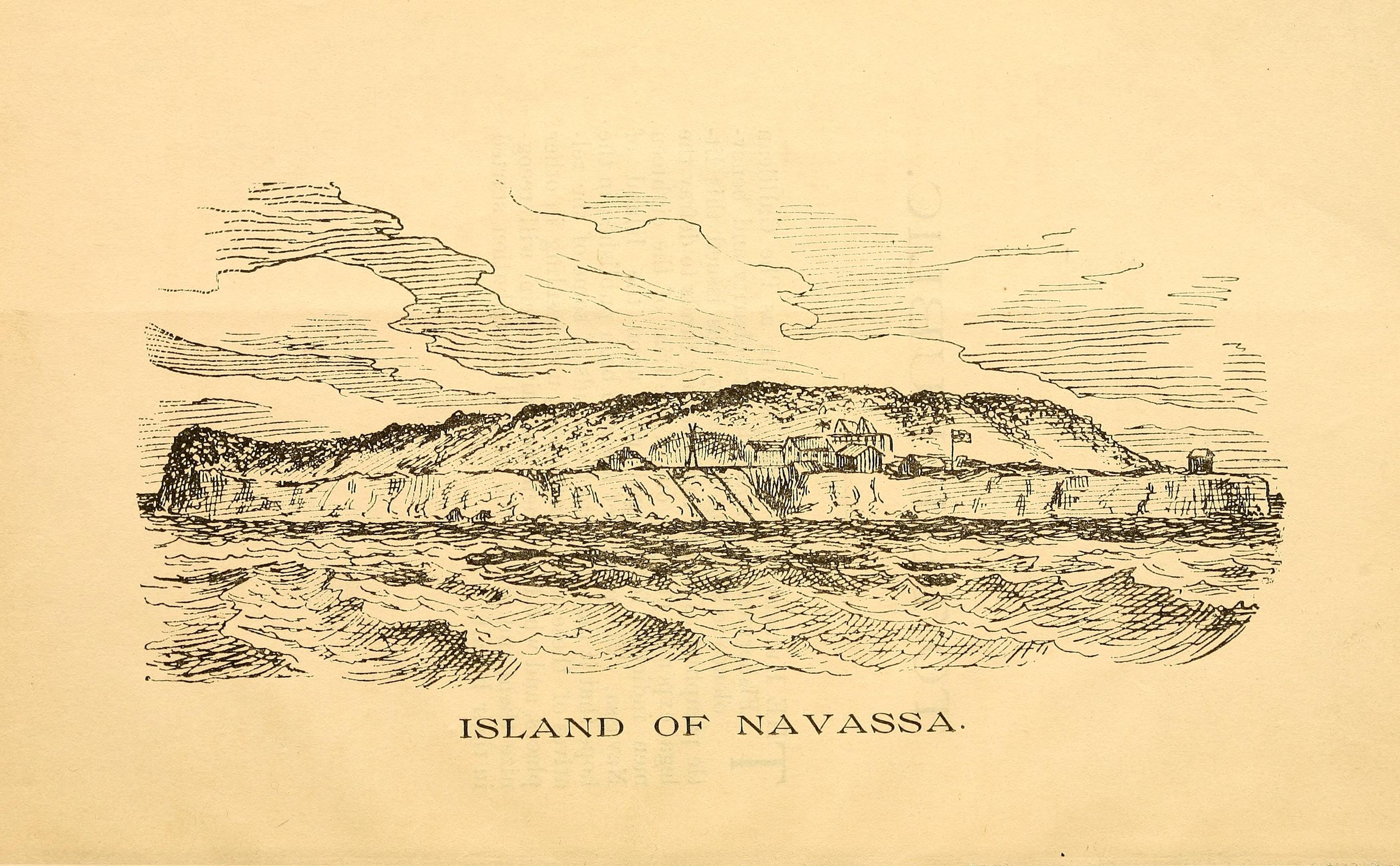
Competing international land claims are the least of Navassa's problems, as it happens: the real challenge comes with industry. The Navassa Phosphate Company was officially formed in 1864, seven years after its proprietors had begun shipping guano back to Maryland. The immediate problem, as with all extraction and distribution activity under the American corporate profit model, is labor costs. Recall from last week that a lawsuit--filed in the midst of the U.S. Civil War--over distant Howland Island's guano fields alleged that tens of millions of dollars were immediately at stake. Again, we're talking about 1865 dollars.
The issue here is not that money is tight. It's that profits flowing to the top are key to incentivize this model, and this cannot happen if labor costs aren't externalized (ie, not paid by the company itself) in some way. The temptation and pull, again and again, is toward exploitation, violence, indenture, and slavery. Without rigorous protections for laborers and accountability structures for employers, horror in the name of profit rules the day. In saying this I am speaking not prophetically, but empirically: we can say that this is what happens because this, in fact, is precisely what has happened. Thus, Navassa is mined first by prisoners imported to the island from the Baltimore prison system, and then by virtual prisoners, all of whom were Black, who were enticed to the island by the promise of well-paid work and then held in a virtual hostage situation.
I'm going to pause here and say that you really should go read this article. It looks like it's from a website stuck in the early days of the world wide web, because it is, but there is information here that I've been searching for for weeks. It lays out the entire astonishing (and, let's be honest, horrifying) story of Navassa, from start to finish, much better than I can, and also sheds light on the origin story of the international guano craze, and the move that the United States makes to assert dominance in accessing the global market. Thank you Brennen Jensen and the Baltimore City Paper for this in-depth take.
In 1889, an uprising of those workers killed five white overseers, and led 54 men to be charged in Baltimore courts, including several sentenced to death. Black churches were instrumental in the lobbying that helped to turn the tide of public sentiment, and the death sentences were eventually commuted after corroborating testimony was offered by white officers sent by ship to determine conditions at Navassa after (yet) another documented complaint. The entire saga was covered in newspapers all along the East Coast, and likely struck fear in the hearts of more than one industrialist. That said, and as the article above well notes, it wasn't public sentiment, fear of uprising, or a moral come-to-Jesus that ended the Navassa Phosphate Company's work. It also wasn't government labor oversight- that came more than a generation later.
No, what ended things on Navassa was simply, and as is so often the case, a shift in the market itself: guano was discovered in the United States, and synthetic fertilizer was invented.
That's not all, though. Two decades ago, Navassa returned to wider public awareness when, as appears to have been the inspiration for the article mentioned above, one Mr. Warren of California decided to see if he could make the Guano Islands Act work for him. Warren was advised that he could make a claim on Navassa, and by the time he was done he had sued parties ranging from the Department of the Interior to President Clinton to Madeleine Albright.
The final legal decision wasn't published when Jensen wrote the Baltimore City piece. The opinion of the court was delivered on December 26th, 2000, and begins as follows:
Numerous events establish that, at least 12 years before Warren filed his action, there was notice, both actual and constructive, of the United States' claim of sole and exclusive ownership of the Island and its mineral resources. . . . . Warren's predecessors in interest possessed nothing more than a revocable license to occupy the Island for the purpose of mining guano, and the United States revoked that license in the early 1900s.
In short, this land belongs to the United States, because the United States says that it does. At least in this regard we are consistent?
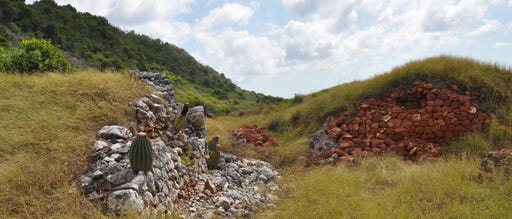
Navassa is now a wildlife refuge.
j
—
* truly, this means bird crap
** Did you know that they share a single island? It's history worth reading about; give it a google.